Setting Up an Indian Pharmaceutical Trading Company in Vietnam
Date Released: 21 April 2026


Vietnam is one of the fastest-growing pharmaceutical markets in Asia, with a projected value of US$ 10 billion by 2026. For Indian pharmaceutical companies-global leaders in generic medicines-this presents a massive opportunity. India is already among Vietnam's top five pharmaceutical suppliers.
However, the pharmaceutical sector is a "conditional business line" in Vietnam. Navigating the regulatory framework, especially Decree 54/2017/ND-CP, is essential for a successful setup.
1. Understanding Your Business Scope
Foreign-invested enterprises (FIEs) in Vietnam have specific rights and restrictions regarding pharmaceuticals:
- The Right to Import: Indian companies can establish 100% foreign-owned entities to directly import drugs into Vietnam.
- The Distribution Restriction: Under current laws, FIEs are generally prohibited from distributing drugs directly to pharmacies or hospitals. Instead, you must sell to licensed Vietnamese wholesalers.
2. Key Licenses Required
Setting up goes beyond a standard business license. You will need:
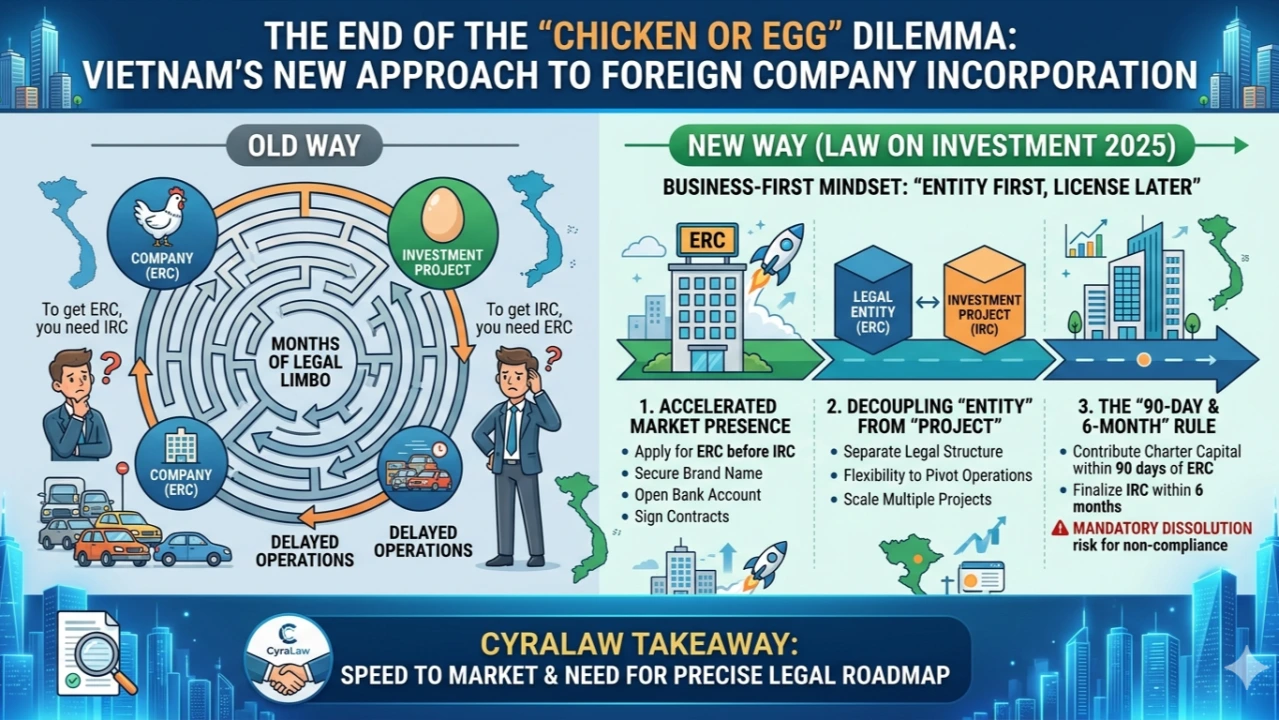
- Investment Registration Certificate (IRC): Permission from the government to invest in Vietnam.
- Enterprise Registration Certificate (ERC): The formal "birth certificate" of your Vietnamese company.
- Certificate of Eligibility for Pharmacy Business (CEPB): This is the critical specialized license issued by the Ministry of Health.
- GSP (Good Storage Practice): Your warehouse facility must meet strict GSP standards to be eligible for importing.
3. Registration of Indian Drugs (Marketing Authorization)
Before selling, each product must be registered with the Drug Administration of Vietnam (DAV).
ACTD Dossiers: Vietnam follows ASEAN Common Technical Dossier (ACTD) formats for drug registration.
Indian Manufacturing Standards: DAV recognizes WHO-GMP and EU-GMP certificates from Indian manufacturing plants.
Clinical Data: Some products may require local clinical trials or additional bio-equivalence data.
4. Why Indian Companies Succeed in Vietnam
- Generic Demand: Vietnam's healthcare system is shifting toward cost-effective generic substitution, where Indian firms excel.
- Strong Bilateral Ties: The India-Vietnam B2B meetings and Prime Ministerial visits highlight pharmaceuticals as a priority sector for cooperation.
How CyraLaw Can Help
At CyraLaw, we specialize in bridging the gap for international firms. We assist with:
- Drafting compliant import and wholesale agreements.
- Navigating the CEPB and GSP licensing processes.
- Resolving trade disputes or registration delays.
Contact our Pharmaceutical Legal Experts today to start your expansion into Vietnam.